How Jamaican Food Brings Culture and Flavor Together
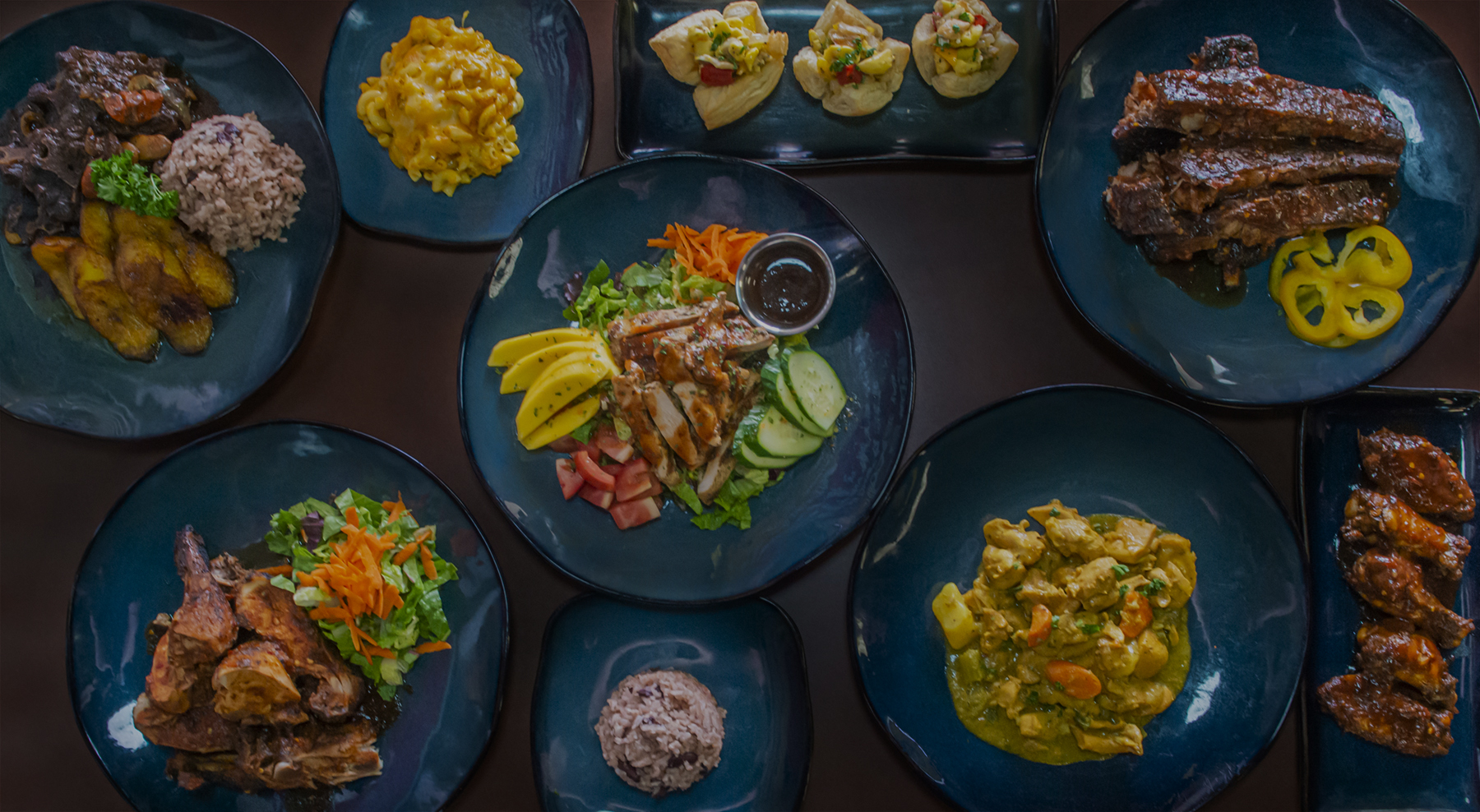
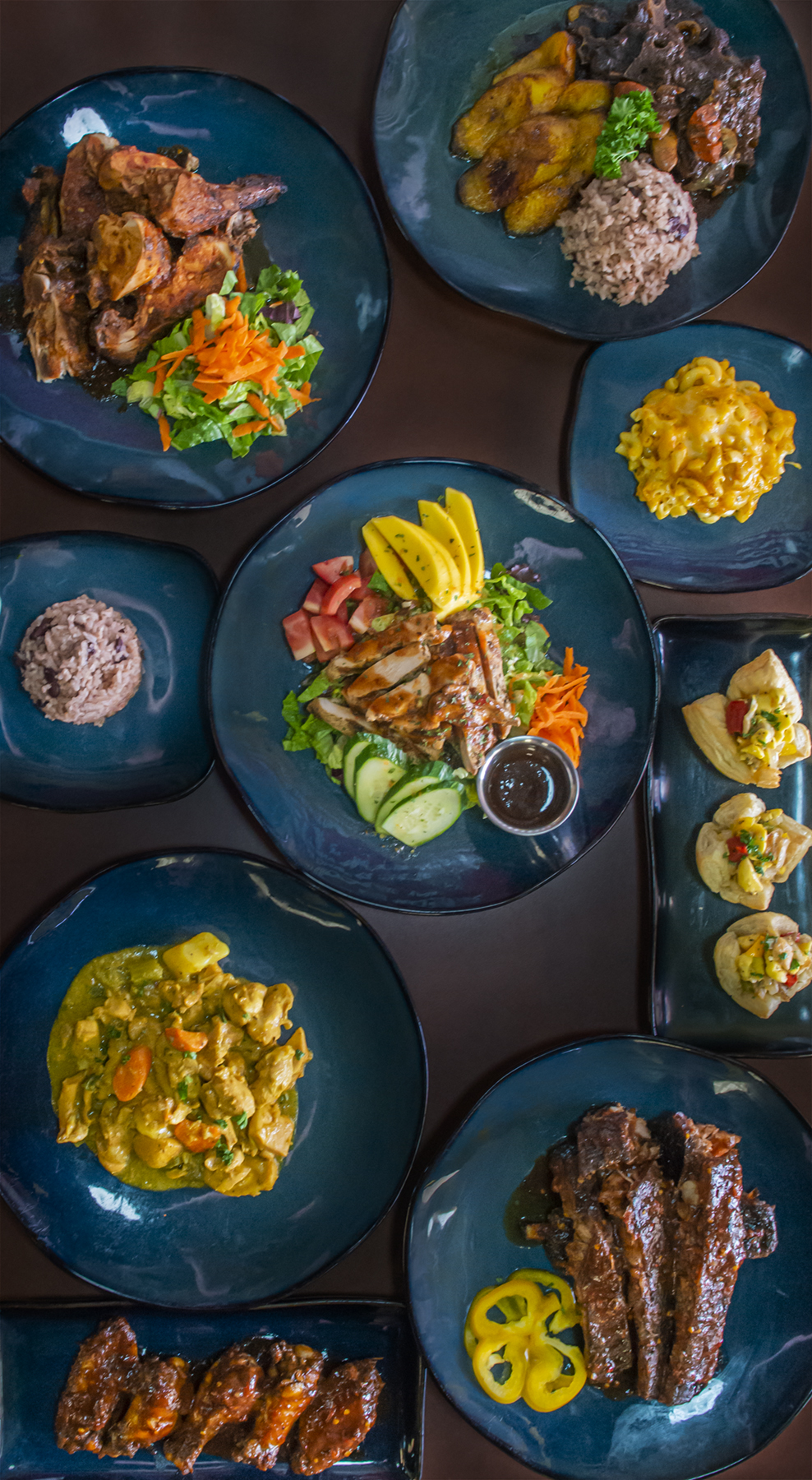
Jamaican food does more than satisfy hunger. It tells the story of a small island with a vast cultural reach, where history sits in the pot alongside thyme, scallion, pimento, and Scotch bonnet. Every serious discussion of Jamaican food eventually lands on the same truth: the cuisine is not only flavorful, it is deeply expressive. It carries memory, migration, survival, improvisation, celebration, and pride.
That is part of why the food resonates so strongly beyond Jamaica itself. You can taste a plate of jerk chicken in London, Toronto, New York, or Miami and still catch something distinctly Jamaican in it, even when the setting is far from Kingston or Montego Bay. The seasonings are bold, certainly, but what gives the cuisine its staying power is the way it binds flavor to identity. The food is unmistakable because the culture behind it is unmistakable.
Anyone who has spent time around a Jamaican kitchen knows the meals rarely feel accidental. Even humble dishes carry method and judgment. A stew develops over time. Rice and peas need the right coconut milk balance. Fried plantain can tip from caramelized to overly soft if the pan runs too cool. Ackee, when handled properly, feels luxurious. When handled poorly, it loses its delicate character. Jamaican cooking rewards instinct, but it also respects discipline.
A cuisine shaped by many hands
To understand how Jamaican food brings culture and flavor together, it helps to start with the island’s layered history. Jamaican cuisine did not emerge from a single source. It grew through contact among Indigenous traditions, African knowledge, European colonial influence, and later the culinary contributions of Indian, Chinese, Middle Eastern, and other migrant communities. The result is not a confused mix. It is a cuisine with a clear personality, built from adaptation and exchange.
African culinary knowledge sits at the center of that story. Techniques for stewing, seasoning, preserving, and stretching ingredients through difficult conditions remain foundational. Ground provisions such as yam, cassava, and sweet potato became staples not simply because they were available, but because they offered nourishment and resilience. Saltfish, now iconic in ackee and saltfish, reflects older trade routes and preservation needs. Rice, beans, callaloo, and one-pot dishes all carry echoes of practical cooking shaped by labor, scarcity, and ingenuity.
Later influences left equally visible marks. Indian indentured laborers contributed curry traditions that Jamaicans made entirely their own. Jamaican curry goat, for example, differs from Indian curry in spice balance, texture, and cooking style, yet the connection is plain. Chinese Jamaican cooking influenced stir-fry approaches and certain sauces. British colonial habits linger in patties sold alongside cocoa bread, in the fondness for buns and baked goods, and in the ceremonial place of tea and breakfast rituals.
What makes Jamaican food so compelling is that these influences are not hidden. They have been absorbed, transformed, and localized. The cuisine honors inheritance without freezing itself in the past.
Flavor with purpose, not just heat
People unfamiliar with Jamaican food often reduce it to spiciness. Scotch bonnet peppers are part of the picture, but they are not the whole story. Good Jamaican cooking values depth over raw heat. The pepper should sharpen and perfume a dish, not flatten it. That distinction matters.
Jerk is the clearest example. When made well, jerk is aromatic first. You notice allspice, called pimento in Jamaica, then thyme, ginger, scallion, garlic, black pepper, and the fruity edge of Scotch bonnet. The fire comes through, but it arrives inside a web of smoke, sweetness, and warm spice. It is a seasoning system, not a dare.
The same principle applies across the cuisine. Brown stew chicken should taste rich and rounded, with browning sauce adding color and slight bitterness, onions lending sweetness, tomatoes softening the base, and fresh herbs lifting the finish. Curry goat should feel layered and mellow, not aggressively hot. Even pepper pot soup, one of the more assertive dishes, succeeds because it balances vegetal earthiness with spice and body.
This attention to balance is where culture and flavor lock together. Jamaican food reflects a wider Jamaican sensibility, one that values vividness, confidence, and intensity, but also control. The strongest cooks are rarely the loudest with seasoning. They know exactly when to stop.
The backbone ingredients that define Jamaican cooking
Walk into a Jamaican kitchen or restaurant and certain ingredients appear again and again. They are not trends or decorative additions. They form the flavor architecture of the cuisine.
Scallion, thyme, garlic, onion, ginger, pimento, and Scotch bonnet create the familiar aromatic base. Coconut milk gives body to rice and peas, rundown, and many stews. Green bananas, yam, dasheen, and cassava root the cuisine in starches that feel substantial and earthy. Saltfish contributes savoriness and history. Ackee, when in season and properly prepared, brings a soft, buttery texture unlike almost anything else. Plantain moves easily between savory and sweet, depending on ripeness and treatment.
The supporting elements matter just as much. Browning sauce adds the dark, slightly sweet bitterness that defines many stewed dishes. Fresh lime wakes up marinades and cuts richness. Bonnet peppers often sit whole in a pot to perfume rather than overwhelm. That restraint is one of the more underrated marks of skill in Jamaican cooking.
A useful way to think about Jamaican food is this:
- Aromatics build the base.
- Spice adds character rather than chaos.
- Starches and provisions provide comfort and substance.
- Slow cooking develops identity.
- Freshness at the end keeps heavy dishes alive.
These are simple principles, but together they explain why even straightforward Jamaican meals feel complete.
Jerk as a cultural language
No dish symbolizes Jamaican food more powerfully than jerk, and not just because it is famous. Jerk captures the relationship between environment, history, and technique in a way few dishes do. It is often described as a seasoning or style of barbecue, but that undersells it.
Its roots are tied to the Maroons, communities formed by formerly enslaved Africans who resisted colonial rule and developed independent settlements in Jamaica’s interior. Their methods of seasoning and slow cooking meat, often over pimento wood, were shaped by necessity, mobility, and local resources. What emerged was practical, distinctive, and durable.
That history still matters. Real jerk is not merely chicken dusted with spice and grilled quickly. It depends on marination, smoke, and a very particular seasoning profile. The best versions allow the exterior to char without drying the meat. Smoke penetrates. Fat renders. Spice blooms instead of burning away. A proper jerk pan, with meat cooking over live heat and smoke in a controlled metal drum, creates a flavor profile that is hard to replicate indoors.
Outside Jamaica, many restaurants call something jerk when it is only spicy grilled chicken. Sometimes that shortcut is understandable. Pimento wood is not easy to source everywhere, and open-fire cooking comes with regulations and space constraints. Even so, the difference is obvious. One tastes like a tradition. The other tastes like an approximation.
That does not mean Jamaican food loses authenticity the moment it leaves the island. Far from it. Diaspora cooks adapt all the time. The point is that jerk is more than seasoning. It is technique, memory, and place.
Breakfast tells you a lot about a culture
If you want to understand a cuisine, look at breakfast. Jamaican breakfast is especially revealing because it reflects the island’s preference for meals that are hearty, savory, and grounded in real sustenance. Ackee and saltfish is the standard bearer, but the full morning table often includes fried dumplings, roasted breadfruit, green banana, yam, callaloo, or boiled plantain.
Ackee and saltfish is a dish people often misunderstand before trying it. Ackee’s texture is delicate and custard-like, while saltfish brings salinity and chew. Add onion, tomato, scallion, black pepper, and Scotch bonnet, and the dish becomes a balance of softness, freshness, and savory intensity. It is https://www.showmelocal.com/40349206-reggae-pot-jamaican-grill-centennial rich without being heavy when handled properly.
Breadfruit, especially when roasted over an open flame, deserves separate attention. Its smoky skin gives way to a starchy interior that works beautifully with saltfish or butter. It fills the same emotional space as potatoes or bread in other cuisines, but with a flavor all its own. Jamaican breakfasts are satisfying because they do not aim for novelty. They aim for energy, comfort, and staying power.
There is also a social element. Weekend breakfasts can stretch into gatherings. Someone is boiling provisions, someone else is frying dumplings, and conversation moves as steadily as the food. Jamaican food often reaches its fullest meaning in these shared settings, where eating is woven into visiting, storytelling, and family rhythm.
Street food, portability, and everyday pleasure
Not every expression of Jamaican food is slow and ceremonial. Some of its most beloved forms are quick, portable, and immediate. The Jamaican patty is perhaps the best example. Properly made, it combines a flaky crust, usually tinted with turmeric or curry for color, with a well-seasoned filling that can range from beef to chicken to vegetable or saltfish.
The patty’s appeal lies in its economy and precision. It is affordable, satisfying, and deeply recognizable. Paired with cocoa bread, it becomes a kind of unofficial meal architecture, soft bread meeting crisp pastry, spicy filling meeting mild cushion. For many people in the diaspora, that combination is more than a snack. It is a memory trigger.
Street-side jerk, peppered shrimp sold in roadside shops, roasted corn, soups ladled from large pots, and fresh juices all reveal another side of Jamaican food culture. The food is accessible and communal. It belongs to daily life, not only to holidays and restaurants. That accessibility matters. Great food cultures are rarely built only on special occasions. They thrive because ordinary meals are taken seriously too.
The role of soups, stews, and one-pot dishes
One of the strongest through lines in Jamaican cooking is the importance of dishes that gather many ingredients into one vessel and let time do the work. Soups and stews express practicality, but they also showcase judgment. The order of ingredients matters. The cut size matters. The strength of the simmer matters. These dishes are forgiving in one sense, but exacting in another.
Saturday soup has near ritual significance in many Jamaican households. Mannish water, red peas soup, chicken foot soup, and pumpkin soup all have their place, depending on region, preference, and occasion. These soups are not thin starters. They are substantial meals, often built with dumplings, yam, carrots, pumpkin, and meat. They nourish in the broadest sense.
Brown stew fish and brown stew chicken show how Jamaican cooking turns familiar ingredients into something highly specific. The meat is seasoned, often rested, then browned before simmering with vegetables and sauce. The result should taste developed, not rushed. Escovitch fish, with its vinegary vegetables and fried snapper, speaks to another set of techniques altogether, where crispness and sharp acidity balance each other.
These dishes reveal a larger cultural pattern. Jamaican food tends to favor meals with backbone. It is cooking that expects appetite, respects effort, and understands the emotional value of fullness.
Food at celebrations, Sundays, and holidays
Culture comes into focus most clearly when food marks time. In Jamaica, certain dishes belong to certain moments, and that association gives them extra meaning. Sunday dinner has its own gravity. Christmas has its own aromas. Funerals, parties, church gatherings, and family reunions each carry their own food expectations.
Sunday meals often center on rice and peas with chicken, beef, goat, or fish, plus vegetables and some form of starch or side. The meal signals pause and togetherness. It often takes more time than weekday cooking, and that time is part of the point. The table becomes a place where family roles, habits, and affections are reinforced.
Christmas brings sorrel drink, black cake, ham, and often curried goat or other special dishes. Black cake in particular tells a story of patience and inheritance. Fruits are soaked, often for weeks or months, then folded into a rich batter that bakes into something dense, fragrant, and unmistakably festive. Sorrel, with ginger and spices, tastes like celebration because it appears when the social calendar swells with visits and gatherings.
These traditions matter because they show how Jamaican food carries more than flavor. It carries timing, repetition, and expectation. When a dish returns every year or every Sunday, it becomes part of how people know where they belong.
The diaspora effect, preserving and changing the food
Jamaican food has traveled widely, and diaspora communities have played a major role in preserving it. They have also changed it, which is natural. Ingredients differ by country. Climate changes produce. Commercial kitchens impose constraints. Customer expectations push menus in one direction or another.
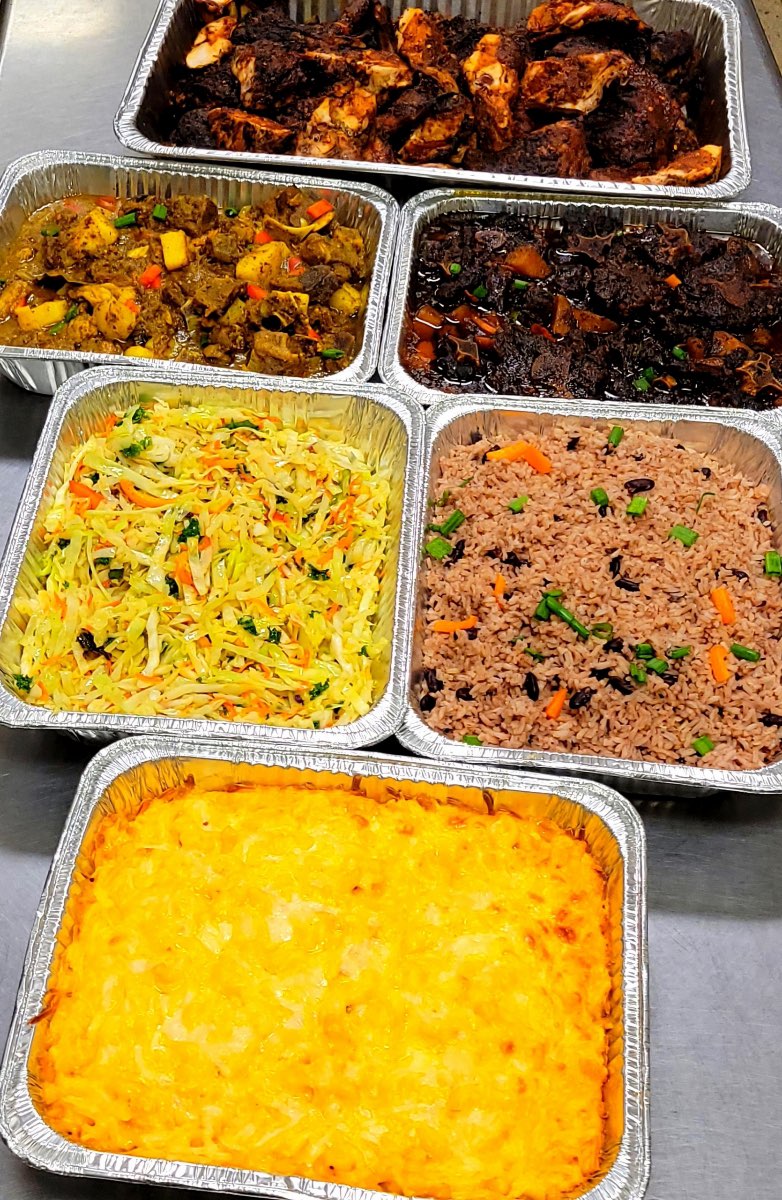
Some adaptations work beautifully. A cook in Toronto may use what is available and still produce a deeply faithful curry goat or a convincing oxtail stew. A bakery in London can make patties that rival many found back home. In New York, a steam table lunch spot can deliver rice and peas, cabbage, plantain, and stewed meat with the kind of consistency that earns neighborhood loyalty for decades.
Other adaptations flatten the cuisine. Excess sugar in jerk sauce, timid seasoning in rice and peas, overcooked cabbage, and watery gravies are common problems when restaurants aim for broad appeal. Jamaican food loses something when it is overly diluted. Its best qualities are confidence and clarity.
For cooks trying to make Jamaican food outside Jamaica, a few practical considerations matter more than people think:
- Do not rush the seasoning phase. Time in the marinade matters.
- Use whole aromatics generously, especially thyme, scallion, garlic, and pimento.
- Respect texture. Ackee, plantain, dumplings, and rice each have clear endpoints.
- Let smoke, browning, or slow simmering do some of the flavor work.
- Balance heat with fragrance rather than treating spice as the main event.
Those principles will not solve every challenge, but they prevent many of the mistakes that make dishes feel generic.
Why authenticity can be both useful and limiting
Conversations about Jamaican food often get tangled around authenticity. The instinct is understandable. When a cuisine gets popular, it also gets simplified, commercialized, and repackaged. Defending standards has value. At the same time, Jamaican cooking has always evolved. Regional habits vary. Family recipes differ. One household’s version of stew peas may not match another’s, and both can be entirely legitimate.
Authenticity is most useful when it protects method, context, and respect. It becomes less useful when it turns into performance or gatekeeping for its own sake. Good Jamaican food does not need to be trapped in a museum case. It needs to remain connected to the knowledge that made it what it is.
That means understanding why ingredients are chosen, why techniques developed, and why certain combinations endure. It also means allowing room for innovation that grows from competence rather than novelty chasing. A talented chef can reinterpret Jamaican food successfully, but only if the original grammar of the cuisine remains intact.
What Jamaican food teaches about culture itself
At its best, Jamaican food offers a lesson that reaches beyond the plate. It shows that culture is not abstract. It lives in repeated actions, inherited tastes, shared labor, and small acts of remembrance. A cook tasting a pot and adding one more sprig of thyme is participating in culture. So is the person wrapping a patty for the lunch rush, or the aunt who insists the sorrel needs more ginger, or the vendor tending jerk over smoke for hours.
Food becomes one of the most durable ways a culture survives change. People migrate, neighborhoods shift, economies tighten, and ingredients become harder to find, yet recipes travel. They bend, but often they hold. Jamaican food has held remarkably well because it is built on strong flavor logic and equally strong social meaning.
That is why the cuisine continues to matter far beyond trend cycles. It is not interesting only because it is spicy, colorful, or photogenic. It matters because it expresses a people’s resourcefulness and warmth with unusual directness. The dishes are generous but exacting, celebratory but practical, rooted yet adaptable.
When Jamaican food is made with care, you taste more than seasoning. You taste memory, resistance, hospitality, and craft. You taste an island’s history shaped into something nourishing and vivid. And that, more than any single recipe, is how Jamaican food brings culture and flavor together.
Reggae Pot Jamaican Grill
7562 S University Blvd C, Centennial, CO 80122
(303) 997-5623
FAQ About jamaican food
What is the best Jamaican food to try in Centennial?
The best choice depends on your preferences. Reggae Pot Jamaican Grill offers jerk chicken, curry goat, oxtail, and escovitch snapper, along with sides such as rice and peas and fried plantains. Ask the restaurant about current availability and spice levels before ordering.
Is Jamaican food very spicy in Centennial?
Heat varies by dish and preparation. Jerk dishes can be hot, while some stews and sides are milder. Tell the restaurant your preferred heat level and ask which options suit you.
What is typically on a Jamaican menu?
Common choices include jerk chicken, curries, oxtail, fish, patties, rice and peas, and plantains. Reggae Pot also lists ackee and saltfish and vegetable dishes. Menus and availability can change, so confirm your choices when ordering.