How a Pizza Restaurant Makes Takeout Taste Amazing

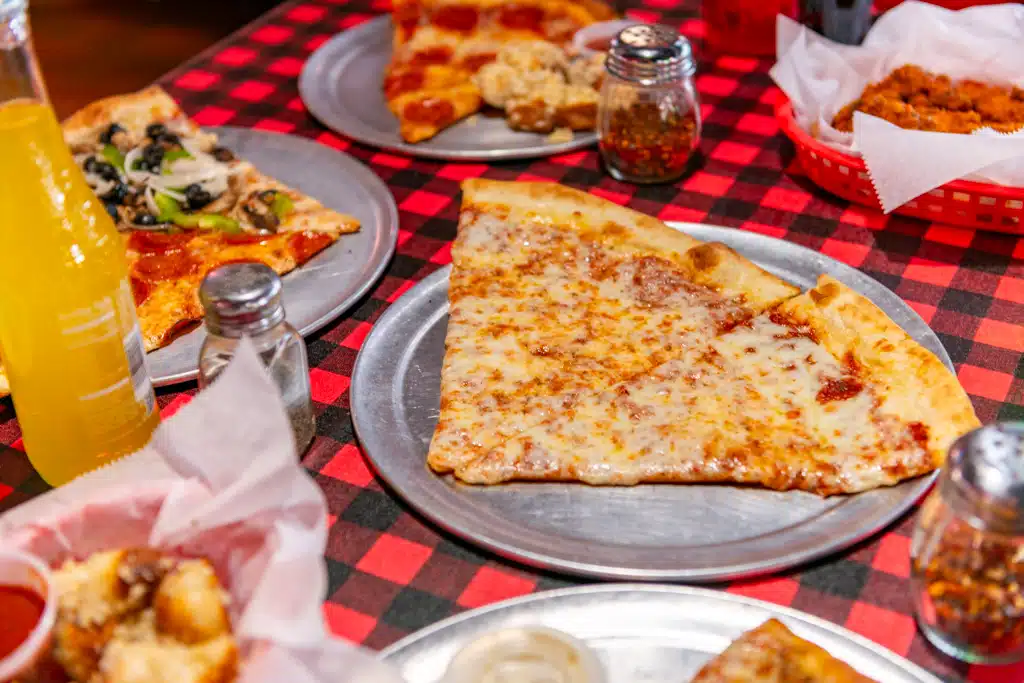
Takeout sounds simple until you try to do it well. A pie leaves the oven in perfect shape, the cheese still bubbling, the crust holding that brief balance between crisp and tender, the aroma filling the kitchen for a few seconds before the box closes. From there, every minute works against quality. Steam softens the base. Toppings shift in transit. Heat drops faster than most guests realize. By the time the pizza reaches a dining table fifteen or twenty minutes later, it can feel like a different product entirely.
That gap between oven and home is where a serious pizza restaurant earns its reputation.
Anyone can produce a pizza that tastes good when it is eaten ten steps from the oven. The more difficult skill is designing a whole operation around what happens after the box closes. Great takeout does not happen because one thing goes right. It happens because dough, sauce, cheese, bake time, cutting, boxing, staging, pickup flow, and customer communication all support the same goal. The best operators think backward from the moment the customer opens the box, not forward from the moment the pie enters the oven.
The box is part of the cooking process
A surprising number of people think packaging is an afterthought. It is not. Once a pizza is boxed, the pie keeps changing. The crust is still releasing steam, the cheese is settling, and the heat trapped inside the package can either protect texture or ruin it.
A box that holds too much moisture will turn a crisp bottom limp within minutes. A box that vents too aggressively may preserve the crust but sacrifice heat. There is no perfect universal box because a thin New York style cheese pie behaves differently from a pan pizza, and both behave differently from a heavily topped specialty pizza loaded with vegetables and sausage.
Good operators test packaging the way they test recipes. They bake a pie, box it, wait ten minutes, then taste. They do it again at fifteen and twenty minutes. They check whether the center droops, whether the underside stays firm, whether the pepperoni still tastes roasted or has become greasy. If the answer is disappointing, they do not just blame delivery time. They ask whether the box dimensions are right, whether the liner traps too much condensation, whether the cut should change, or whether the pie needs an extra thirty seconds in the oven for takeout orders.
That last adjustment matters more than customers might expect. A pizza for dine-in can leave the oven at one point in the bake curve. A takeout pizza often needs to leave slightly further along. Not dried out, not overbaked, just set enough to survive the box. A seasoned pizza restaurant learns where that line is.
Dough has to be built for travel, not only for the first bite
Many takeout problems start long before the rush begins. They start in dough management.
A crust that tastes delicate and airy straight out of the oven may collapse under sauce and steam ten minutes later. Hydration, fermentation length, flour strength, oil content, and dough ball temperature all affect how the finished crust travels. If the dough is too slack, slices fold into themselves. If it is too dense, the pizza stays intact but eats heavy and dry after the short ride home.
Operators with real takeout volume often tune their dough for structure. That does not mean making it tough. It means creating enough internal strength to support heat, moisture, and handling. A strong rim helps. So does a properly set base. Undercarriage matters more for takeout than many guests realize because it is the only thing standing between a slice and the soggy fate that steam is trying to create.
There is also a timing issue. Dough performs differently at 5:30 than it does at 8:15 if the room is warm and the line is busy. Experienced shops pay attention to how dough opens and bakes across the shift. They know when a tray is proofing fast, when a dough ball needs more flour, and when to rotate stock so evening orders do not suffer. That kind of quiet discipline is rarely visible to guests, but it shows up the moment they lift a slice and the tip holds.
Sauce and cheese need restraint
Takeout rewards balance. Excess is one of the fastest ways to ruin a pizza on the road.
Customers often assume that more sauce and more cheese automatically mean a better pie. In reality, both add weight and moisture. During the trip home, that moisture has nowhere to go. It runs into the crust, loosens the structure, and turns a once-crisp base soft. A good pizza restaurant understands that generosity and control are not opposites. A pie can feel abundant without being overloaded.
Sauce is a common trouble spot. If it is too thin, it spreads and seeps. If it is too wet, the center softens quickly. If it is ladled too close to the edge, the rim loses definition and can toughen in the box. The best takeout sauces are usually cooked or reduced to the point where they carry strong tomato flavor without flooding the crust.
Cheese creates a similar challenge. Fresh mozzarella tastes wonderful, but it also sheds water. Low-moisture mozzarella browns differently and travels more predictably. Many shops blend cheeses to get the best of both: flavor, melt, and stability. Some even adjust the cheese mix by pizza style or topping combination. Mushroom pies and vegetable-heavy combinations, for example, may need a lighter hand because the toppings bring their own moisture load.
That is the kind of judgment that separates a merely busy shop from a dependable one. It is not about making the most dramatic pizza in the first thirty seconds. It is about making a pizza that still tastes excellent at minute fifteen.
Toppings have to be treated according to how they behave in a box
Not all toppings travel equally well. Pepperoni is forgiving. It renders a little fat, crisps nicely, and still tastes good after a short rest. Raw vegetables are less forgiving. Mushrooms release water. Bell peppers soften. Spinach can wilt into a damp layer. Pineapple introduces sweetness, yes, but also moisture. Sausage needs to be cooked enough to stay flavorful without making the pie greasy.
That is why strong takeout kitchens do prep work with the box in mind. They roast certain vegetables before topping the pizza. They drain ricotta properly. They portion wet toppings carefully. They par-cook sausage if needed, not because they are cutting corners but because they want the final bake to finish cleanly. They may even place ingredients differently across the pie, keeping heavier toppings away from the very center to prevent collapse.
I have seen shops improve takeout quality dramatically with one small change: slicing mushrooms thicker and pre-roasting them lightly. The pizza lost a little of the fresh, juicy mushroom effect straight from the oven, but fifteen minutes later it tasted far better because the crust had not absorbed a layer of released water. That is a smart trade-off. Takeout is full of those choices.
Bake color matters more than customers think
When guests see a slightly darker pie, they sometimes assume it has gone too far. In a takeout setting, that extra bit of color can be exactly what preserves quality.
Pale pizzas struggle in transit. Their crust is not fully set, their cheese has not tightened, and the center remains vulnerable. A pie with proper bake color has more resilience. The bottom stays firmer. The cheese stays cohesive. The slices separate more cleanly when lifted from the box.
Of course, the answer is not to blast every order until the edges char. Different ovens, styles, and topping loads need different treatment. A deck oven creates a different bake profile from a conveyor oven. A thin crust margherita behaves differently from a pan pizza. But the principle is the same: if the pizza is destined for travel, the bake must anticipate the box.
That also means oven management cannot slip during peak periods. Rush hour is when standards are tested. If a kitchen starts pulling pies early to speed the board, takeout quality falls almost immediately. The customer may not know exactly what changed, but they will notice that tonight's order tastes flatter, softer, and less composed than usual.
Cutting is not just presentation
Cutting a pizza seems basic until you watch what happens when it is done poorly. A blade that drags toppings instead of slicing through them can tear the cheese blanket and leave the pie exposed to faster cooling. Uneven slices make some pieces collapse. A late cut into a pie that has already started to steam can press moisture into the crust.
The timing matters. So does the sharpness of the wheel. So does the number of slices.
A larger pie cut into too many small pieces loses heat faster and gives each slice less structural support. A thick-crust pizza cut too sparsely can be awkward for families sharing at home. Good takeout shops think through those choices instead of applying one cut pattern to every order.
There is also a practical detail many people overlook: letting the pie settle for a brief moment before boxing. Not long enough to lose heat, just enough to let the cheese set and the internal moisture calm down. Rush that step and the pizza enters the box in a more fragile state. Give it a short pause and it travels better.
The handoff between kitchen and front counter decides a lot
A pizza can be made perfectly and still disappoint if pickup flow is chaotic.
This is where operations matter. Orders should not sit stacked in a hot corner waiting for a driver who has not arrived. The front counter should not open boxes repeatedly to check names, releasing heat every time. Staff should know which orders are complete, which need sides, and which are waiting on salads, drinks, or desserts. Every minute of confusion costs temperature and texture.
The best takeout setups feel almost boring because they are so controlled. The pie exits the oven, gets cut, boxed, labeled, staged briefly, and handed off. There is very little wandering, very little guessing, and very little time spent under a heat lamp that dries the crust while softening the interior.
For pickup customers, the environment matters too. If parking is difficult or lines are long, the restaurant needs to account for that in its timing. Some shops deliberately delay the final bake by a few minutes if they know a guest has not yet arrived. Others use text updates so customers do not come too early and let their pizza sit. Those are not glamorous innovations. They are practical ways to protect the food.
Delivery distance changes the product
One truth every pizza restaurant learns is that geography shapes the menu.
A pie that travels six minutes can be built differently from one that travels eighteen. Dense urban neighborhoods with quick driver turnover support one kind of pizza. Spread-out suburbs support another. Weather matters too. Cold nights, rainy streets, and apartment deliveries all increase transit friction.
That is why smart operators define a delivery zone based on quality, not only volume. There is a temptation to keep stretching outward because each extra mile means more potential sales. The problem is that the customer at the edge of the map judges the restaurant by the pizza they receive, not by how ambitious the delivery radius was.
Some shops solve this by offering certain styles only for pickup. Others recommend specific pies for longer drives. A crisp, lightly topped pizza can remain excellent over a moderate trip, but a cream-sauce pie loaded with vegetables may struggle. Honest guidance builds trust. Most guests appreciate it when it is framed as care rather than limitation.
Takeout flavor is also about what happens at home
Restaurants cannot control everything once the pizza leaves the building, but they can improve the odds.
Simple instructions help. If a guest is driving more than ten minutes, the box should ride flat, not upright on a car seat. If they are picking up multiple dishes, hot items should not be crowded under bags that trap extra moisture. If they are not eating immediately, a cracked-open box for a minute can release steam and protect the crust. If they want to reheat leftovers, a skillet or hot oven does better work than a microwave.
The trick is to share this advice without sounding fussy. A sentence on the box, a note in the order confirmation, or a quick mention at pickup is enough. Good hospitality often looks like anticipating the small mistakes people make at home and gently helping them avoid them.
Side items can ruin the main event if they are packed carelessly
A surprisingly common takeout failure has nothing to do with the pizza itself. It comes from putting hot wings, dressing cups, desserts, and bottled drinks together in ways that compromise the pie.
Condensation from a tightly packed order can change the inside of the bag. Heavy containers can tilt the pizza box. Cold drinks next to hot food can affect temperature retention over time. Garlic knots packed too soon may sweat into their own container and arrive soft.
This is why packaging strategy has to cover the whole ticket, not just the pizza box. A good restaurant separates where necessary, supports boxes so they stay level, and trains staff to think about how the guest will carry everything from counter to car to kitchen table.
A short operational checklist often solves a lot:
- Keep pizza boxes flat and on top.
- Separate very hot items from cold drinks and desserts.
- Vent or rest steam-heavy sides briefly before bagging.
- Label clearly so staff do not reopen packages to identify them.
- Match the bag size to the order so items do not slide during transit.
That is basic work, but basic work done consistently is what customers remember as reliability.
Consistency beats theatrics
Many restaurants chase takeout quality by adding more toppings, fancier boxes, or novelty menu items. Those can help at the edges, but they do not solve the core problem. Amazing takeout comes from consistency. The dough is fermented properly. The sauce is measured. The pie is baked to the right color. The box fits the product. The handoff is tight.
Customers are remarkably sensitive to consistency, even if they cannot explain it in technical terms. They know when Friday night's pepperoni pizza tastes exactly as good as last week's. They know when the crust still has a little snap, when the cheese has not fused to the lid, and when the slices hold from edge to tip. That repeatability creates loyalty faster than any promotion.
I have watched guests forgive a slightly longer quoted wait time for a restaurant that gets it right every time. I have also watched them abandon a place that can make one excellent pizza and two mediocre ones in the same month. Takeout is unforgiving that way. It turns operational discipline into brand identity.
Great takeout starts with accepting the limits
The strongest operators are not the ones pretending takeout can perfectly replicate dine-in. They are the ones who understand where the experience changes and build around it.
A pizza eaten in the restaurant has immediacy on its side. A takeout pizza has to earn its pleasure differently. It needs to arrive hot enough, structured enough, seasoned enough, and thoughtfully packed enough to survive the trip while still feeling indulgent. That requires judgment more than gimmicks.
There are trade-offs everywhere. A https://www.manta.com/c/m1h28js/ruffrano-s-hell-s-kitchen-pizza-manitou-springs slightly firmer bake protects the crust. A restrained ladle of sauce preserves balance. Pre-roasted vegetables travel better. A delivery boundary may disappoint a few potential customers but preserve the experience for everyone else. These are not compromises in the lazy sense. They are deliberate choices made in service of the final bite.
When a pizza restaurant makes takeout taste amazing, it is rarely because of one secret technique. It is because the whole system respects a simple reality: the product keeps changing after it leaves the oven. Restaurants that understand that, and design for it at every step, send out pizzas that still feel alive when the box opens at home.
That is the real craft. Not just making a beautiful pie, but making one that makes the trip and still tastes like someone cared all the way to the table.